Entries Tagged 'Health' ↓
September 28th, 2009 — Babies, Health
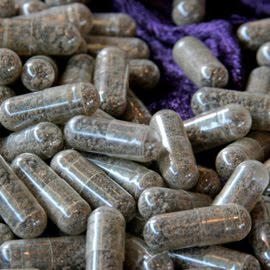
Okay Wives… Get Ready because this is a lot to swallow…. Literally!
The First Time I had heard about women eating their own placenta after childbirth was from a hippie yoga instructor named Sunshine ( She mixed it with Scrambled Eggs…. Uhhhh, Vomit!! ) not to mention, I almost pasted out from Shock. Then while recently at a Barbecue, a pregnant women had informed me there are professional companies who will come and freeze dry your placenta and encapsulate it into pills to digest like vitamins! Now this I can actually wrap my head around considering how beneficial it is to your body after birth… Continue reading below for the benefits of this ancient tradition.
For those of you who aren’t familiar with this practice… Let me break it down for you. After you give birth, the placenta follows after the baby. The Placenta is connected to the fetus and basically takes all the nutrients from your body to give to your growing baby. Nearly every mammal consumes the placenta after it’s young is born. Many cultures practice eating the placenta after giving birth, making you post partum recovery much faster. There are many ways to prepare your placenta for ingestion. Some women feel comfortable creating a special recipe for it. Some women even consume it raw…. Yuck! These methods will work, but they limit the length of time you are able to utilize the benefits of placenta to a matter of days.
The new preferred method of ingestion is by capsule. The placenta can be dried, ground, and encapsulated. The capsules can then be taken daily for a number of weeks. You reap all of the healthful benefits of placenta quickly, easily and discreetly, and the capsules will last for years.
Continue taking your prenatal vitamin after the baby comes, for as long as you are nursing. Women who take their placenta capsules tend to have better postpartum experiences, avoid the baby blues, have an increase in energy, and an increase in milk production. Traditional Chinese Medicine has used placenta for centuries to treat issues such as fatigue and insufficient lactation, and scientific studies have bolstered the use of placenta for these conditions. Using the placenta for your postpartum recovery is a very easy and natural way to help you feel better after the birth.
Women who have taken placenta capsules report positive results in an overwhelming number of cases. Some women have even reported feeling positive effects as quickly as the same afternoon of the day they began their first dose. Women who were already feeling “weepy”, or experiencing other early signs of the baby blues, have felt better within days. Although the current scientific research is exciting, we have barely begun to scratch the surface of the potential benefits of placentophagy. Considering that placenta is a completely natural substance, created by a woman’s own body, encapsulation of the placenta is definitely worth considering as part of a holistic postpartum recovery for every expectant woman.
With proper preparation, the majority of women can avoid the baby blues. If you intend to use the placenta for your postpartum recovery, you must take measures to ensure the placenta is handled properly from the moment of birth. Placentas can, and do, get ruined from improper handling. A woman who births in a hospital has to adhere to the guidelines and policies in place at their facility of choice. In some cases, there is no written policy, and mothers are then subjected to the whim of the staff on duty at the time they deliver. If you want to take your placenta home after its birth, you must have a plan before you walk through the doors in labor. Your chance of success will increase greatly. From what I’ve heard it can costs anywhere between $100 - 300 Dollars.
For More Information Please Visit

July 18th, 2009 — Health
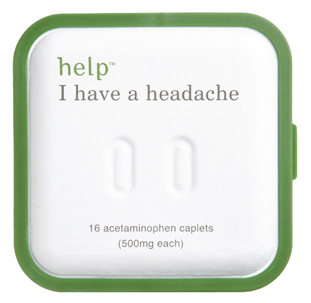
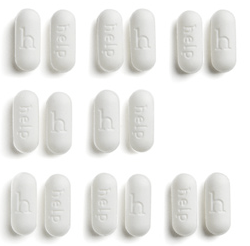
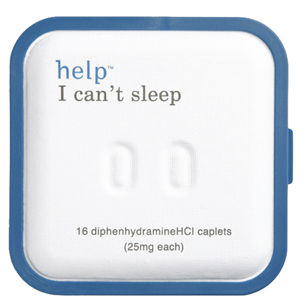
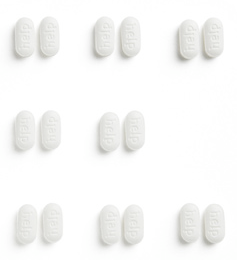
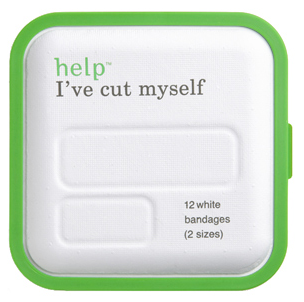
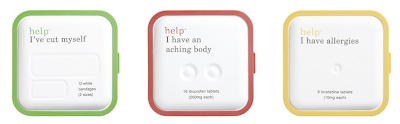
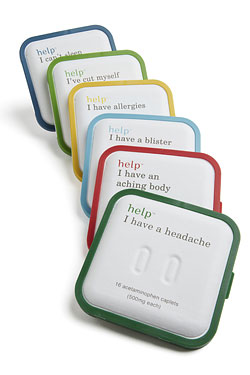 I love these little helpful medicines. They are small and can be tossed into any purse for sper of the moment relief on the go.
While some health problems are large, complicated and frightening, most problems are not the end of the world. A kind word and a little help can get you on your way. Help Remedies was created to make solving simple health issues simple. We find the best solution there is, and take away everything else. By stripping away some of the complexity and fear mongering of the health industry, we hope to make medicine friendlier and more accessible, and in doing so empower people to make their own health decisions. We think a little help, honesty and kindness will go a long way
Our packaging is made of molded paper pulp and a bio plastic made primarily of corn. We use these materials because they are interesting to look at, and they are compostable—which means one day, they might become part of a large tree. Maybe you can cut down that tree and make it into a speedboat.
June 3rd, 2009 — Domestic Goddess, Health
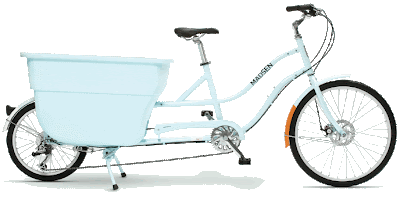
 Load up the kids and head to the market. The kg271/Bucket model will carry your precious cargo and help you complete all your errands in style and keep one less car off the road. The Bucket Model comes equipped with a removable seat and two seatbelts, so your kids an ride Safetly. Disc brakes and 8spd SRAM components are just a few of the specifications that make the Madsen as tough as it is elegant.$1,299.00
May 11th, 2009 — Beauty, Health

Green Bug Repellents
It’s warming up, the bugs are here,
Send them buzzing away in fear,
Use repellents made the eco-friendly way,
Insects don’t like green blood anyways!
Buzz Off…Naturally!
As the weather warms up, nature’s dinner bell starts to ring and pesky insects everywhere
begin to lick their chops. Spoil their human feast by using eco-friendly insect repellents
that meet a few important guidelines.
* Stay away from products that contain the chemical DEET, which can cause headaches and severe long-term health problems.
* Use repellents that contain natural plant-derived oils such as citronella, tea tree, neem, jojoba, pennyroyal, noni, soybean, thyme, lavender, or lemon eucalyptus.
* You can even make your own green insect repellent. In a spray bottle, mix 1/3 cup apple cider vinegar, 1/3-cup witch hazel, and 5 drops of citronella, Eucalyptus oil, or any of the other essential plant oils. Shake vigorously and store in the refrigerator.
* Many eco-friendly repellents are available nationwide. Some examples include Second Skin Naturals, California Baby, Badger Balm, and Repel Lemon Eucalyptus.

For More Tips for Living Green
www.Smart2beGreen.Com
April 27th, 2009 — Health
 When your child asks where babies come from, do you break a sweat and blame it on the stork? Have you had a conversation about oral sex, masturbation or contraception with your teen? If you haven’t started “the talk” with your child, sex therapist Dr. Laura Berman says you could be making a big mistake. Dr. Berman says kids today know a lot more about sex than we think they do. In fact, Dr. Berman says children are being forced to make sexual decisions by middle school, from receiving sexually explicit text messages—also called “sexting”—to feeling pressured to perform acts like oral sex. What you need to do as a parent, Dr. Berman says, is arm them with knowledge that will guide them well into adulthood. “You want to start these conversations early with your kids—before they find themselves in the circumstances where they’re having to make those healthy sexual decisions.”
Although some mothers shy away from the conversation because they don’t want to seem like they’re condoning sex, Gayle says you have to arm your daughters with as much information as you can. “Knowledge is power,” she says. Seventeen magazine editor-in-chief Ann Shoket says girls don’t only want the nuts-and-bolts talk about sex—they want to learn more about the feelings that can come with it. “It’s clear that these girls are doing very advanced sexual things,” she says. “And yet what they really want their mothers to talk about is the emotional side. They want their mothers to talk to them about: ‘How do I know if this boy is just using me? How do I know if I’m ready for it?’ That’s the part where mothers play a huge role that the Internet or their friends just can’t do.”
Dr. Berman says it’s important to start an ongoing conversation when your kids are young that will continue to develop as they get older. “They want a sense from a very early age, not so much about the nuts and bolts about sex, but that it’s okay to ask questions about their body,” Dr. Berman says. “If you wait to have that one big talk until they’re 13, 14, it’s often too late.”
Dr. Berman says making them feel good about themselves is key. “Feeling good about their bodies. Feeling good about their genitals. Feeling good about their sexual function. Feeling empowered about who they are as people and as sexual beings. And then that makes the path so much easier when they’re in their teen years.”
When it comes to teenagers, Dr. Berman urges all parents to stay calm when approached for information. Overreacting, she says, could make your child hesitant to come to you in the future. “Listen—don’t just lecture them,” Dr. Berman says. “[Encourage them] to ask questions about the words and the terms and the things they’re hearing about at school, to ask questions about what they’re seeing in the media.
Dr. Berman says the main goal of any sex talk is to communicate that sex is a very normal and natural thing. There are three main topics to cover: male and female anatomy, the mechanics of making a baby…and becoming familiar and comfortable with your genitals.
Dr. Berman says it’s important to talk to kids about getting to know their own bodies—and that many kids have been exploring themselves since they were babies. “It’s about soothing,” Dr. Berman says. “It’s not about sexual arousal and the sexual connotations that we put on it. It’s just about normalizing it for them and setting the seeds that this is normal.”
According to the sex survey, only 35 percent of mothers teach what Dr. Berman says is one of the most important lessons about sex—pleasure. “We need to teach them about pregnancy prevention and STD prevention, but we also have to teach them about the gift that sexuality is,” she says.
This is why Dr. Berman says it’s important to have a big talk with your child when she hits high school about masturbation and orgasms. “This is something that’s normal and natural, and if you’re talking to a girl from a young age about this, it’s a natural thing,” she says.
Teaching your daughters to take control of their own pleasure can help them avoid unhealthy sexual experiences. “You’re teaching them about their own body and pleasuring themselves and taking the reins of their own sexuality so that they don’t ever have to depend on any other teenage boy to do it for them,” Dr. Berman says.
Dr. Berman says an easy way to start the pleasure conversation is to point out specific body parts to your daughter on a diagram, encouraging her to explore her own body in private. “You are the best ones to teach them,” Dr. Berman says. “You are the one who can incorporate your values.”
Still nervous? Dr. Berman says you may need to become more familiar with your own body. “Learn all of this stuff yourself,” she says. “When you are comfortable, that’s when you can really raise a sexually empowered daughter.”
In the study, only 4 percent of girls say their beliefs about sex are mostly influenced by their mothers—this is your chance to change that statistic. “You are arming them with the information they need to make wise sexual decisions,” Dr. Berman says. “You want to be their main sex educators—not their friends who are going to give them the misinformation that you don’t want them to have.”
“You need to start early, letting them know you’re open to conversations, answering their questions without judgment,” Dr. Berman says. “Tell them that information does not mean permission.” - Oprah.Com
To Download The Sex Ed Handbook, Go To:
www.Oprah.Com
April 5th, 2009 — Babies, Health
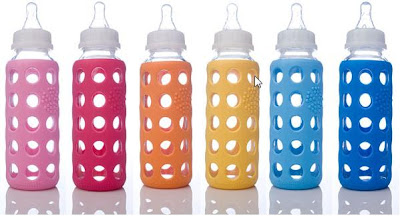
Bisphenol A Controversy
In February 2007, the public advocacy group Environment California Research & Policy Center published a report titled Toxic Baby Bottles: Scientific Study Finds Leaching Chemicals in Clear Plastic Baby Bottles. The report describes the harmful effects of the hormone-disrupting chemical bisphenol A (BPA), a developmental, reproductive, and neural toxicant found in polycarbonate plastic—the material used to make the vast majority of baby bottles.
Soon after this report was released, a billion dollar class-action lawsuit was filed in Los Angeles against five major baby bottle manufacturers over the dangers of BPA. The lawsuit alleges that potentially harmful levels of BPA can leach from polycarbonate baby bottles, when they are heated, and migrate into the contained liquid. The California legislature has also debated the safety of BPA, and next year supervisors in San Francisco will consider a citywide ban on BPA.
Chemical companies and baby bottle manufacturers claim human exposure to low doses of BPA is harmless. Yet there is growing scientific evidence to the contrary. In August 2007, an expert government panel found there is concern that bisphenol A causes neural and behavior problems among children who have been exposed to the chemical before or after birth.
Many consumers are unaware of this controversy and continue to purchase polycarbonate baby bottles, having never heard of BPA or the dangers it may pose for their families.
BPA is also widespread in bodies of water such as rivers and estuaries, and in landfills, where it leaches into the surrounding ecosystems.
The resources below are intended to provide you with greater detail about the bisphenol a controversy.
- Green to Grow
April 5th, 2009 — Babies, Health
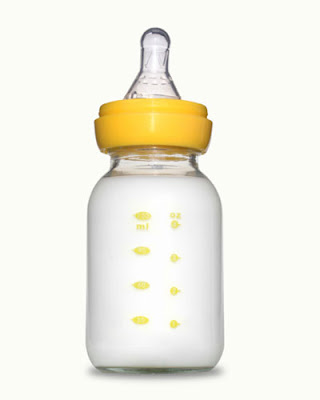
The Baby Bottle Buying Guide:
Glass: Glass baby bottles, which don’t leach toxic chemicals, are a time-tested alternative to polycarbonate plastic. Glass bottles are, of course, breakable, and put children at risk of injury in the case of an accident. Additionally, glass can chip or crack when sterilized, which could lead to glass splinters in baby’s beverage. As with plastic, careful and regular inspections of the bottle allow parents to detect any flaws in the glass. Recycle any scratched, cracked, or chipped glass bottle.
#2 HDPE, #4 LDPE and #5 PP Plastics:These opaque bottles are made of either polypropylene or polyethylene, which are not known to leach carcinogens or endocrine disruptors. Look on the bottom of the bottle for the recycling symbol: polyethylene has #2 (high-density polyethylene, HDPE) or #4 (low-density polyethylene, LDPE) in the chasing-arrow triangle, and polypropylene (PP) has #5. Polycarbonate bottles are #7 and may be labeled “Other” or “PC.” If the bottle isn’t labeled, call the manufacturer.
PES Plastics: Although polyether sulphone, or PES, hasn’t been studied as thoroughly as #2, #4 and #5 plastics, lab studies have found that it does not leach BPA or phthalates (a hormone-disrupting plasticizer commonly used in #3 PVC plastics). PES plastics may be labeled with a #7 like polycarbonate is, since both plastics fall into the “Other” category. If you see a #7 and aren’t sure if it’s PES or PC, call the manufacturer before using it.
Silicone Nipples: Replace standard rubber nipples (amber-colored) with clear, silicone nipples. Not only are silicone nipples free of cancer-causing nitrosamines, but they last longer.
-
Before first use, sterilize bottles in boiling water.
-
Inspect bottles and nipples before each use and discard those with cracks or scratches.
-
To avoid dangerous hot spots, breast milk or formula should never be heated in the microwave. Stovetop heating can cause glass bottles to burst and plastic ones to melt, especially when supervised by sleep-deprived parents. Instead, place the filled bottle in a bowl of hot water and swirl it periodically.
-
To avoid tooth decay and injuries, don’t let baby sleep with or walk around with the bottle.
Usage Tips- TheGreenGuide.Com
March 21st, 2009 — Health

DR 911When I’m Sick the last thing I want to do is throw on sweat pants and traps all the way to my Doctors office, That is if they can fit you in Their busy scheduale. Enter Dr. 911, That is if you live in the Manhatten/ Brooklyn Area. A board-certified emergency physician whose stethoscope has seen many a Lenox Hill patient, will quickly triage the condition and attend to everything from ear infections to migraines to lacerations. No surly secretary, no waiting room. Although with the likes of Devi Kroell, Elie Tahari, and the cast of Gossip Girl on patient rotation, we almost wish there were a waiting room – almost.
Home, office and hotel visits 24 hours a day/
7 days a week
Adult and pediatric care
Immediate assessment and medical treatment
Focused physical exams
Medications prescribed and renewed
Corporate services/wellness
Diagnostic tests
Routine immunizations/screenings
School/camp physicals
Student medical care
Travel medicine
Referrals to specialists
DR 911 was founded by Dr. Robert Glatter in 2007. DR 911’s mission is to provide the highest level of medical care to you and your family, 24 hours a day, 7 days a week in the comfort of your home, office or hotel. Our personalized service is prompt and always delivered with compassion .
Dr. 911 doesn’t take insurance, but Standard house calls begin at $500 but patients can opt for a subscription-based program in which members pay a yearly fee for all-inclusive services.
For DR 911 services contact 646-761-6685
visit www.dr911md.com.
March 21st, 2009 — Health
-imag.jpg)
Being a Good wife means keeping your family healthy. Below are some great tips by Dr. Oz to make sure your family gets the best health care they deserve. And if God forbid something terrible happened, you would know which hospital to go to and which steps to take when arriving there.
Most patients don’t do a great job of communicating with their doctors, because patients often give too little pertinent information to go on. Remember, just like a detective, doctors are looking for the facts. At the same time, they may also give us too many distracting or off-topic details. The first sign of a smart patient is that telltale document they produce during their first visit or their 50th—it’s their health profile. This is the sign of a patient who means business, one who will challenge us to be at our absolute best and who won’t waste time and money on redundant and unnecessary efforts.
Dr. Oz says there’s a straightforward advantage to staying infection-free in a hospital. “You’re in an environment that has sick people in it who have infections themselves,” he says. “It’s so easy to spread to you.”
- Ask people to wash their hands before touching you.
- Keep hand sanitizer by your bed.
- Try to avoid bacteria-promoting items, like flowers and jewelry.
- Ask doctors to clean their stethoscopes. “Did you ever think where the stethoscope was before he examined you?” Dr. Oz says. “It was on someone else’s chest, and that same bacteria gets carried to you.”
- Clean television remotes.
- Ask a doctor to remove his tie, or else tuck it into his shirt. “How many men here have ever washed their tie?” Dr. Oz says. “Nobody. No one washes a tie. Doctors don’t either.”
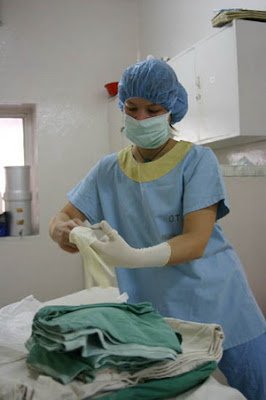
To Find a Great Doctor, Ask an ER Nurse
Grill the ER nurse-manager at the best local hospital. A nurse in the intensive-care unit is also a good choice. These registered nurses get a battlefield view of doctors at their best and worst.
Go Board-Certified The American Board of Medical Specialties recognizes 24 areas of medical specialty, including anesthesiology, cardiology, internal medicine and pediatrics. Search for board-certified physicians at ABMS.org. To find the best hospital for you—whether it’s a small community hospital, a hospital in your rural area or a large teaching hospital—go for an accredited hospital listed on the Joint Commission’s Quality Check website at JCAHO.org. Joint Commission accreditation is the Gold Seal of Approval for a hospital—and that’s what you want. The Joint Commission also evaluates ambulatory clinics, home health agencies, home medical equipment companies, nursing homes, laboratories, behavioral healthcare facilities and more.
Know Your Hospital’s Numbers
Practice makes perfect. Research has shown that for several common operations, hospitals that perform a specific number or more of that operation every year have better success rates. Your surgeon should be able to give you this info, as should the hospital’s information line.
Have the Surgeon Draw a Picture
Surgery performed on the wrong limb? Or wrong person? Absurd! Unbelievable! Except it really does happen. You know that. You see it in the news more frequently than anyone would like. The Joint Commission requires the surgeon to literally mark the site of your surgery (for example, left elbow, right side of abdomen, wherever appropriate) before the operation. And the docs and nurses will triple-check your identity to make sure that you’re the right patient before they even lift a scalpel.
Get Thee to a Hospital
How are you feeling? Fine? Never better? You need to find a hospital. The perfect time to scout for the best hospital is when you don’t need one. Most people don’t give it a thought until a paramedic is looking them in the eye and asking, “Do you have a preference of which hospital you want to go to?”
Insist on Being Scanned
In the hospital, have staff check your hospital ID bracelet before they give you any medication, take blood or wheel you off for a test. If your hospital uses bar code scanners on ID bracelets, insist they scan you every time.

How Healthy Is Your Health Insurance?
Many of us have few options in picking health insurance, because we’re tied to the plan from our jobs. But when you are lucky enough to have choices, here are some important questions to ask:
- How does the insurer rate with the National Committee on Quality Assurance? Find out at NCQA.org. Also, the National Association of Insurance Commissioners lets you check out individual companies at NAIC.org.
- Which hospitals and doctors are in the plan’s network? Are the hospitals Joint Commission–accredited? If your doctor isn’t in the network, ask your company’s HR department to twist the insurer’s arm to add him or her.
- What will happen if I get cancer, get pregnant or become disabled? These are the biggies that really test insurance.
- What’s the maximum lifetime benefit? It should be at least $5 million.
- At what age will my children be cut off from the plan?
One of the most important decisions you will ever make—and one you’ll likely make more than once —is choosing your doctor. Choose wisely and you could rest easy for many years to come. - Dr. Oz
November 28th, 2008 — Health
Almost every woman at some point in her life was enrolled in a ballet class. Most women took it when they were very little and eventually dropped it. Who hasn’t seen one of those adorable little girl ballet recitals? Some stick with it and become the super thin, amazingly graceful professional ballerinas. Their dance is a joy to watch and every now and then… you wish you could lift your leg over your head like that.
While you may not be able to lift your leg over your head, taking a ballet course can definitely improve your physical fitness. Here’s a look at some of the things ballet will help you to improve.

Flexibility.Ballet is all about extension and just how far can you stretch yourself. With ballet, you’ll stretch muscles you didn’t even know existed. Your legs, arms, back, neck and even your chest (yes your chest!) will all have increased flexibility. Believe it or not, with increased flexibility everything becomes a little more comfortable. You are able to sit in more relaxed positions and all your stretching movement becomes easier. (Imagine reaching for that item on the top shelf.)
Strength.
It takes some serious strength to stand up straight while extending your leg way behind you. Ballet requires some extreme positions. While many of these positions are difficult, they are doable with some practice, even by the novice. With your extra strength comes better muscle tone. Ballet can end up making you look fabulous!
Balance.
It might not look like it but a pirouette requires superior balance. Almost every step in ballet requires excellent balance. All that spinning, lifting, leaping, and twirling takes some serious balance to keep from falling over or tripping. If you’re the quintessential klutz, ballet can help you regain some lost dignity by improving your balance.
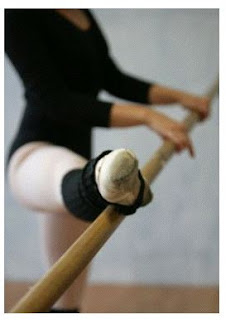
Whether you’re looking for an activity for yourself or for your child, ballet offers many potential benefits for both body and mind. It’s a total body workout that requires both discipline and focus but is also quite enjoyable. Plus, ballet is usually taught in a group setting which gives you the opportunity to interact with other dancers. Here are some of the many benefits of ballet:
Ballet benefit: Promotes better postureBallet exercises require the use of good posture and alignment. For this reason, many ballet classes teach postural alignment exercises which help to promote good posture and create awareness of good alignment as you carry out your daily activities.
Ballet benefit: Sculpts and tones your body
The movements taught in ballet classes are designed to tone and firm muscles without developing bulk so you develop long and lean muscles as opposed to thick, bulky ones.
Ballet benefit: Develops poise and body awareness
When you take ballet lessons, you’re taught a series of simple exercises called the barre. These exercises are designed to help build poise and grace which are necessary traits that a successful ballerina must have. These exercises are repeated at each class to help build balance, strength, and poise.
Ballet benefit: Helps to relieve stress
When you perform ballet exercises and movements, it relaxes your mind and removes you from the cares of the world. Your focus shifts to concentrating on each movement and the placement of your legs and arms. Many people report they can actually feel their stress melt away when they focus on ballet.
Ballet benefit: Promotes creative expression
Ballet is not simply a form of exercise, although it does provide many of the health benefits of exercise. It’s also a form of artistic expression. You interpret each dance movement in your own unique way and it becomes your own personal expression. This can be quite therapeutic for both mind and body.
Ballet benefit: Promotes flexibility.
The movements of ballet are quite effective in promoting flexibility. Ballet uses muscles that are seldom used in other sports, giving you a total body flexibility workout.
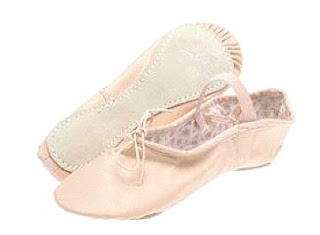 My Favorite Ballet Class :
The Edge 1020 Cole Avenue, 4th Floor Hollywood, Ca 90038
Begging Ballet with Edouard Kouzmitch 7:00 - 8:00 pm
Tuesday, Wednesday, Thursday
November 10th, 2008 — Books, Health, Sex

Good Sex had great health benefits: So if you have a good sex (Meaning Better Quality and Quantity) life can lead to the following:
* You can look 7 - 12 Years younger
* Your Immune system is 33% stronger
* You can have a 50% decrease in heart disease
* You can have Less stress and Less Insomnia
* Sex is also a great pain reliever, Orgasms are great for relieving cramps and headaches.
One mistake couples make is that they think sex should happen naturally, Dr. Berman says. But that’s not always the case. “Especially if you’re in a long-term relationship, you’re always going through ebbs and flows physically, socially and environmentally,” she says. “You can’t expect everything to be working perfectly all the time. You’ve got to fine-tune things along the way.” Dr. Berman says couples need to keep gender differences in mind when striving for a good sex life. Men take an average of 5 to 10 minutes to reach orgasm, while women need about 15 to 20 minutes. “If men are a microwave oven, women are a slow-burning stove,” she says. “It’s a big difference.”
Over 60% of women fantasize about being dominated. Because its beyond your control and your being forced to surrender. Because most women have trouble letting go and relinquishing power. She came up with the idea of a “surrender date” Where your husband makes all the decisions and has all the control. He will decide what you wear, where you eat, Etc.
Also Start Kissing your Husband for 10 Seconds everyday, Instead of that standard quick peck. How can regular couples improve their own bedroom behavior? Dr. Berman says it starts with a kiss. “Kissing is so important and goes by the wayside so quickly,” she says. “Remember in the beginning of a relationship, you can’t stop making out with one another? Women, in particular, love that. It’s part of their erotic template —what turns them on.”Dr. Berman has a homework assignment to help couples get in the mood. “Start giving your partner a 10-second kiss at least once a day,” Dr. Berman says. “You’ll be surprised to see what a difference it makes and how long it feels compared to what you normally do.”Dr. Berman says the emphasis should be on kissing for the sake of kissing. “The only time that women get kissed in a long-term relationship is when it’s a prelude to sex. So you want to make it not about sex but just about kissing,” she says. “
Available at Amazon.com or Barnes and Noble 25.00
Or Oprah.com For More Information.
November 9th, 2008 — Beauty, Health

UV Radiation and Wrinkles
Both UVA and UVB radiation cause wrinkles by breaking down collagen, creating free radicals, and inhibiting the natural repair mechanisms of the skin. A popular classification system of sun-sensitivity is the Skin phototype classification. People with skin types I and II are at the highest risk for Photo aging effects including wrinkles and skin cancer. The proper use of sunscreen to block both UVA and UVB radiation is an important weapon in the battle against wrinkles.
Sunscreen Ingredients
Sunscreens ingredients can be divided into compounds that physically block radiation or compounds that absorb radiation. The radiation blockers are very effective at reducing the exposure of the skin to both UVA and UVB radiation. Older formulations like zinc oxide are opaque and may be cosmetically unacceptable. However, a newer formulation of micronized titanium dioxide is not as opaque and provides excellent protection. The radiation absorbing ingredients are differentiated by the type of radiation they absorb UVA absorbers and UVB absorbers.
Picking the Proper Sunscreen
The SPF measures the amount of UVB absorption, but there is no method of reporting the UVA absorption. The only way to determine if a sunscreen protects against UVA and UVB radiation is to look at the ingredients. A good broad-spectrum sunscreen should have an SPF of at least 15 and contain avobenzone, titanium dioxide, or zinc oxide.
Applying Sunscreen Properly
Most people use sunscreen improperly by not applying enough. They apply only 25% to 50% of the recommended amount. Sunscreen should be applied liberally enough to all sun-exposed areas that it forms a film when initially applied. It takes 20-30 minutes for sunscreen to be absorbed by the skin, so it should be applied at least a half an hour before going out in the sun. Sunscreen should also be the last product applied especially on the face since some sunscreens can break down in the presence of water contained in water-based foundations and moisturizers.
Reapplying Sunscreen
Most instructions on sunscreen labels recommend reapplying sunscreen “frequently”, but the definition of “frequently” is vague. A common instruction is to reapply sunscreen after 2-4 hours in the sun. However, one study has shown that reapplying sunscreen 20 to 30 minutes after being in the sun is more effective than waiting 2 hours. It is possible that this time period is more effective because most people do not apply enough sunscreen initially, and this second application approximates the actual amount needed. Sunscreen should also be reapplied after swimming, excessive sweating, or toweling.
Daily Sunscreen
Sunscreen should be applied daily. The daily use of a low-SPF sunscreen (15) has been shown to be more effective in preventing skin damage than the intermittent use of a higher SPF sunscreen.
October 28th, 2008 — Health, Sex, Things I Love
Not only have I introduced all my friends to Sweet Spots over the past few years, But we all swear by them. It’s one of the most celebrated products to be put on the market for women. If you think about it… By the time you shower, Have dinner and go out, 5 or so hours has passed. And what better product to refresh your “Woo Haa” with before getting frisky with your husband. And the Best part is they come in travel size wipes, Perfect to fit in any tiny evening clutch or Purse. These are worth every penny spent!
The Travel size wipes are perfect to keep in your purse.
Unlike most soaps, shampoos or body washes, SweetSpot Labs® products are pH balanced specifically for optimum sweet spot health. They contain mild ingredients specially chosen to blend with soothing botanicals, and is absent of alcohol. Those products with aroma contain pure essential oils that were deliberately selected for scents that enhance and complement a woman, while contributing a cleansing, calming and refreshing function. Use effortlessly and often to make the scent of a woman even better.

This especially gentle formula delivers a sophisticated clean, especially designed for women (no, not the baby!). Alcohol-free and pH balanced for sweet spots. For external use only. $16.00 For 30 deluxe-sized gentle wipettes.

Sweet Spot Wipes and On-the-go Wipettes, Spot Refresh! Convenient deluxe-sized, gentle, disposable cloths offering a luxurious, sophisticated clean. Fits in your purse, your powder room and boudoir. A gentle wipette to keep yoursweet spot set. For external use only. 2.50 for 3 pack

Sweet Spot gentle wash, Spot Fresh! A tender loving wash for daily cleansing and conditioning. Start your day the SweetSpot way! For pH balanced TLC using especially blended, mild cleansers, soothing botanicals with essential oils all formulated for sweet spot use. A lovely last step in your bathing ritual. For external use only. 12.00 For 120ml/4Fl.Oz.
Scents :
Basil Grapefruit
Citrus Galbanum
Geranium Lavender
Unscented

www.SweetSpotLabs.Com
1 877 - SweetSpot

 be perfectly made for you