Are you ready to tap into your true authentic power? That’s what “The Seat of the Soul” author Gary Zukav and Oprah are discussing under the oaks this Sunday on “Super Soul Sunday.” Before then, read this blog entry from Gary and get ready to tap into your true potential.
Authentic power is the real deal. You can’t inherit it, buy it or win it. You also can’t lose it. You don’t need to build your body, reputation, wealth or charisma to get it. None of that can help you when it comes to creating authentic power. Anyone can become authentically powerful. Even a rockstar or the president of the United States can become authentically powerful, although just being a rockstar or president is no guarantee of authentic power.
This is the thing: When you hit 28 or 30, everything begins to divide. You can see very clearly two kinds of people. On one side, people who have used their 20s to learn and grow, to find themselves and their dreams, people who know what works and what doesn’t, who have pushed through to become real live adults. Then there’s the other kind, who are hanging onto college, or high school even, with all their might. They’ve stayed in jobs they hate, because they’re too scared to get another one. They’ve stayed with men or women who are good but not great, because they don’t want to be lonely. They mean to develop intimate friendships, they mean to stop drinking like life is one big frat party. But they don’t do those things, so they live in an extended adolescence, no closer to adulthood than when they graduated.
Don’t be like that. Don’t get stuck. Move, travel, take a class, take a risk. There is a season for wildness and a season for settledness, and this is neither. This season is about becoming. Don’t lose yourself at happy hour, but don’t lose yourself on the corporate ladder either. Stop every once in a while and go out to coffee or climb in bed with your journal.
Ask yourself some good questions like: “Am I proud of the life I’m living? What have I tried this month? What have I learned this year? What parts of my childhood am I leaving behind, and what parts am I choosing to keep? Do the people I’m spending time with give me life, or make me feel small? Is there any brokenness in my life that’s keeping me from moving forward?”
Now is your time. Walk closely with people you love, and with people who believe life is good and a grand adventure. Don’t get stuck in the past, and don’t try to fast-forward yourself into a future you haven’t yet earned. Give today all the love and intensity and courage you can, and keep traveling honestly along life’s path. -m.relevantmagazine.Com
So many of my friends have been raving about their Clarisonic, which uses a sonic frequency to clean and tone skin. So I decided to invest in the Clarisonic Mia, which is the perfect size for anyone who travels a lot. So far I’ve been obsessed with mine and have noticed a HUGE difference in my skin… So much so I canceled my chemical peel for next month.
Trusted by dermatologists and aestheticians the Clarisonic is an essential must have in the first step towards healthy skin. It cleanses thoroughly while the sonic micro-massage loosens and removes dirt, oil and makeup from pores. Without proper cleansing, pollutants, oil and bacteria accumulate on the skin, clogging pores and causing blackheads, blemishes and dullness. This prevents serums and moisturizers from performing to their fullest potential. Sonic cleansing better prepares your skin for skin care products. Compared to manual cleansing, using the Clarisonic Skin Cleansing System allows for up to 61% better absorption of Vitamin C. Also better absorption allows creams, serums and moisturizers to work their best. And because there are no harsh abrasives or chemicals, this Sonic Cleansing Systems is a gentle, natural way to cleanse your skin with any foaming cleanser you prefer. Sonic cleansing is effective on all skin types — even skin affected by complicated conditions such as seborrheic dermatitis, rosacea, and acne. Clarisonic $225.00, Clarisonic Mia $119.00 at Norstrsoms. - Taryn Cox for THE WIFE.
A few weeks ago, Mina, from the website MiniPiccolini asked me to share with her readers my top 10 favorite things for wives. Below are my favorite things every wife should have in her life.
1. William Sonoma - A wondrous playground for any wife who loves to cook in her kitchen. This charming store provides tools to make preparation easier, cooking classes for those who want to learn, and inspiration around every corner for those looking for creativity. www.williamsonoma.com
2. Mrs. Meyers – Every wife should have an eco friendly conscious when shopping for her household. Enter Mrs. Meyers… A collection of household products with essential oils from flowers and herbs that pack a real punch against daily dirt and grim. From dish soap to laundry detergent to window cleaners Mrs. Meyers brings a powerful clean and a garden fresh scent to your home. All their products are earth friendly, bio degradable, non toxic and never tested on animals. www.mrsmeyers.com
3. Emily Post Etiquette Book - Every wife should always carry herself like a true lady. Emily Post’s discourses on etiquette is said to be one of the most useful reference books published, next to a dictionary, a thesaurus and a world atlas. The new edition has discussions on perennially necessary topics, such as where to place a soup spoon when setting a formal table and whether one may wear white after Labor Day (the answer is yes). This integration of new material with old, showing respect and consideration for others while placing a premium on honesty, graciousness and deference. It also serves as a reminder of how individual choices may affect others and how easy it is to choose—words, wardrobes, gifts and actions—more wisely. $27.00 on Amazon.Com
4. Stationer - Every wife can benefit from a very creative and talented stationer. While I take my services to Jonathan Wright and Sugar Paper in Los Angeles, They are always there to help with last minute gifts and an abundance of greeting cards for every occasion. Your stationer can also aid you in the designing all of life’s celebrations from wedding invitations to birth announcements to personal stationary for thank you notes. Jonathan Wright 7404 Beverly Blvd, Los Angeles, California 90036 323 931 1710; Sugar Paper 253 26th Street, Brentwood, California 310 451 7870
5. La Perla – Just like the age old saying “A lamb in the kitchen and a tiger in the bedroom.” What better way to inspire a healthy and consistent sex life with your husband than with luxurious lingerie from La Perla. Every man can appreciate his wife coming to bed in a flirtatious silk night gown or something else a little more provocative. www.laperla.com
Prescription drugs kill some 200,000 Americans every year. Will that number go up, now that most clinical trials are conducted overseas—on sick Russians, homeless Poles, and slum-dwelling Chinese—in places where regulation is virtually nonexistent, the F.D.A. doesn’t reach, and “mistakes” can end up in pauper’s graves? The authors investigate the globalization of the pharmaceutical industry, and the U.S. Government’s failure to rein in a lethal profit machine.
Once upon a time, the drugs Americans took to treat chronic diseases, clear up infections, improve their state of mind, and enhance their sexual vitality were tested primarily either in the United States (the vast majority of cases) or in Europe. No longer. As recently as 1990, according to the inspector general of the Department of Health and Human Services, a mere 271 trials were being conducted in foreign countries of drugs intended for American use. By 2008, the number had risen to 6,485—an increase of more than 2,000 percent. A database being compiled by the National Institutes of Health has identified 58,788 such trials in 173 countries outside the United States since 2000. In 2008 alone, according to the inspector general’s report, 80 percent of the applications submitted to the F.D.A. for new drugs contained data from foreign clinical trials. Increasingly, companies are doing 100 percent of their testing offshore. The inspector general found that the 20 largest U.S.-based pharmaceutical companies now conducted “one-third of their clinical trials exclusively at foreign sites.” All of this is taking place when more drugs than ever—some 2,900 different drugs for some 4,600 different conditions—are undergoing clinical testing and vying to come to market.
In honor of May’s National Skin Cancer Awareness Month, Hat Attack has teamed up with me and 30 other of their favorite style bloggers, for 31 days in May, to raise awareness and funds toward he fight against Skin Cancer. Hat Attack will donate 20% of all proceeds to the Skin Cancer Foundation on all Blogger Favorites. Above I am seen wearing “Raffia Wide Brim Floppy” So choose your favorite Hat Attack style and show how chic and stylish wearing a hat can be to promote safe skin care habits this Summer. - Taryn Cox for THE WIFE
Since we all know the best way to prevent wrinkles is by applying sunscreen everyday and also in honor of Skin Cancer Awareness month I wanted to share my favorite Sunscreen with you. Dr. Lancer Vitamin C with Antioxidant Sunscreen SPF 30. A daily must… goes on great under make up without leaving greasy residue on skin.
PRESSED JUICERY was born out of the idea that in order to find fulfillment and balance each day, modern people need to be armed with a fresh set of tools that are simple, convenient, and tailored to their hectic schedules. We believe that everyone is entitled to live their best lives, but in order for this to happen, we need to get back to our roots. While the benefits of juicing are endless, we aim to cut through the confusion and condescension of so many health trends and get to the point: our bodies require vital nutrients to function at their optimal levels, and the quickest and most natural way to get them is through fresh juice.
At PRESSED their organic juices are pressed daily, and personalized to your lifestyle, providing you with the option to hop online and order individual bottles. They are a great way to keep nutritious food on hand for your family or as post-workout fuel. Or Try Pressed Juicery’s signature cleanse designed to help you detox in a simple, streamlined manner that won’t get in the way of your everyday life. Cleanses consist of 6 fresh juices that are delivered to your doorstep each morning and will sustain you throughout the day in place of meals. Have time to stop for Juice? Visit their new store front in Brentwood. (Perfect after a class at Bar Method or Maha Yoga)
Yoga has been practiced for more than 5,000 years, and currently, close to 11 million Americans are enjoying its health benefits. Yoga can hardly be called a trend.
Most Westernized yoga classes focus on learning physical poses, which are called asanas. They also usually include some form of breathing technique and possibly ameditation technique as well. Some yoga classes are designed purely for relaxation. But there are styles of yoga that teach you how to move your body in new ways. Choosing one of these styles offers the greatest health benefits by enabling you to develop your flexibility, strength, and balance.
Yoga benefits: Flexibility
When some people think of yoga, they imagine having to stretch like a gymnast. That makes them worry that they’re too old, unfit, or “tight” to do yoga. The truth is you’re never too old to improve flexibility.
The series of yoga poses called asanas work by safely stretching your muscles. This releases the lactic acid that builds up with muscle use and causes stiffness, tension, pain, and fatigue. In addition, yoga increases the range of motion in joints. It may also increase lubrication in the joints. The outcome is a sense of ease and fluidity throughout your body.
Yoga stretches not only your muscles but all of the soft tissues of your body. That includes ligaments, tendons, and the fascia sheath that surrounds your muscles. And no matter your level of yoga, you most likely will see benefits in a very short period of time. In one study, participants had up to 35% improvement in flexibility after only eight weeks of yoga. The greatest gains were in shoulder and trunk flexibility.
Yoga benefits: Strength
Some styles of yoga, such as ashtanga and power yoga, are more vigorous than others. Practicing one of these styles will help you improve muscle tone.
But even less vigorous styles of yoga, such as Iyengar yoga, which focuses on less movement and more precise alignment in poses, can provide strength and endurance benefits.
Many of the poses, such as Downward Dog, Upward Dog, and Plank pose, build upper-body strength. This becomes crucial as people age. The standing poses, especially if you hold them for several long breaths, build strength in your hamstrings, quadriceps, and abdominal muscles. Poses that strengthen the lower back include Upward Dog and Chair pose. When practiced correctly, nearly all poses build core strength in the deep abdominal muscles.
Any WIFE who runs a house, raises children and tries to make time for herself must be spinning like a top. With grocery shopping always on the to do list and an empty stomach to feed on the go, I’ve recently discovered the Juice Bar at Whole Foods Market. I’ve been extremely fond of the “Sweet Green Garden” smoothie. It’s a mix blend of Spinach, Kale, Bananas, Strawberries, Ice and Agave, which sounds gross but tastes pleasantly sweet. So next time you find your energy running low while picking up ingredients for tonight’s dinner be sure to pick up a cup of healthy goodness. 20 Ounce Smoothie $6.99
I recently Discovered Beverly Hills Juice Company through a friend and have been going daily for the most delicious fresh pressed juice. I’m addicted to “The Big Ten” (Carrot, Beet, Celery, Kale, Spinach and Parsley) but since recently getting sick have been getting Apple Lemon Double Ginger, which was a terrific remedy. A bottle of juice will run you around 5.00 and is worth every penny.
In his quest to make the most nutritionally beneficial juice, David Otto became versed in the advantages of juicing with a hydraulic press. To press juice, fruits or vegetables are first ground into a fine pulp, wrapped in cloth bags, and then squeezed at a very high pressure by the hydraulic press. Compared to other methods of juice extraction, pressed juice has a higher nutritional content: more vitamins, more minerals, and more amino acids. Additionally, pressed juice is exposed to a minimal amount of oxidation, and therefore maintains a shelf life of a few days instead of minutes. Beverly Hills Juice presses and bottles batches of juice every morning, making pressed juice available for customers to pickup each day.
Beverly Hills Juice supports local, organic agriculture. They adapt their menu to the seasons and source most of their ingredients from local farms. They purchase the majority of our produce at farmer’s markets, where the average farmer travels 150 miles to bring her crop to market. Coconuts, bananas, ginger and cinnamon are not typically grown in California, and are sourced from organic suppliers.
Since 1975, Beverly Hills Juice has operated under a strong ethical code that promotes a healthy and balanced way of life. Their appreciation and gratitude for the earth is reflected in everything that they do. Beverly Hills Juice continually searches for the best practices that will limit their environmental impact, decrease their use of petroleum-based products, and contribute to the regeneration of the earth’s polluted resources. Some of their sustainable business practices include: Cups and Straws made from Sugar Cane Fiber, They do use bags to encourage customers to bring their own, all deliveries are made with a volkswagen TDI clean diesel car, all paper used is 100 recycled processed chlorine free and all waste generated is commercially composted.
A set of 4 smooth, environmentally conscious bamboo handles are marked with monthly reminders to change your dental cleaners with recommended regularity. Medium Bristles.
In the 1930’s Dr. Edward Bach discovered a new system of healing using the flowers of nature to gently bring us back to balance. His 38 essences are the foundation of my formulas.
This comprehensive line of formulas was designed, not only to give relief to those who are suffering, but also to reconnect us with the happiness and peace of mind that is our birthright. The remedies help us to live our lives in the way we were meant to, fulfilling our purpose with love, happiness and freedom from all the limiting influences we may encounter along our way. I invite everyone to explore this exciting, all-natural approach to wellness.
Visit AlexisSmart.Com for ready made formulas or to contact Alexis for an in person or phone consultation.
In 1858, a British epidemiologist named William Farr set out to study what he called the “conjugal condition” of the people of France. He divided the adult population into three distinct categories: the “married,” consisting of husbands and wives; the “celibate,” defined as the bachelors and spinsters who had never married; and finally the “widowed,” those who had experienced the death of a spouse. Using birth, death and marriage records, Farr analyzed the relative mortality rates of the three groups at various ages. The work, a groundbreaking study that helped establish the field of medical statistics, showed that the unmarried died from disease “in undue proportion” to their married counterparts. And the widowed, Farr found, fared worst of all.
Farr’s was among the first scholarly works to suggest that there is a health advantage to marriage and to identify marital loss as a significant risk factor for poor health. Married people, the data seemed to show, lived longer, healthier lives. “Marriage is a healthy estate,” Farr concluded. “The single individual is more likely to be wrecked on his voyage than the lives joined together in matrimony.”
While Farr’s own study is no longer relevant to the social realities of today’s world — his three categories exclude couples living together, gay couples and the divorced, for instance — his overarching finding about the health benefits of marriage seems to have stood the test of time. Critics, of course, have rightly cautioned about the risk of conflating correlation with causation. (Better health among the married sometimes simply reflects the fact that healthy people are more likely to get married in the first place.) But in the 150 years since Farr’s work, scientists have continued to document the “marriage advantage”: the fact that married people, on average, appear to be healthier and live longer than unmarried people.
Contemporary studies, for instance, have shown that married people are less likely to getpneumonia, have surgery, develop cancer or have heart attacks. A group of Swedish researchers has found that being married or cohabiting at midlife is associated with a lower risk for dementia. A study of two dozen causes of death in the Netherlands found that in virtually every category, ranging from violent deaths like homicide and car accidents to certain forms of cancer, the unmarried were at far higher risk than the married. For many years, studies like these have influenced both politics and policy, fueling national marriage-promotion efforts, like the Healthy Marriage Initiative of the U.S. Department of Health and Human Services. From 2006 to 2010, the program received $150 million annually to spend on projects like “divorce reduction” efforts and often cited the health benefits of marrying and staying married.
But while it’s clear that marriage is profoundly connected to health and well-being, new research is increasingly presenting a more nuanced view of the so-called marriage advantage. Several new studies, for instance, show that the marriage advantage doesn’t extend to those in troubled relationships, which can leave a person far less healthy than if he or she had never married at all. One recent study suggests that a stressful marriage can be as bad for the heart as a regular smoking habit. And despite years of research suggesting that single people have poorer health than those who marry, a major study released last year concluded that single people who have never married have better health than those who married and then divorced.
All of which suggests that while Farr’s exploration into the conjugal condition pointed us in the right direction, it exaggerated the importance of the institution of marriage and underestimated the quality and character of the marriage itself. The mere fact of being married, it seems, isn’t enough to protect your health. Even the Healthy Marriage Initiative makes the distinction between “healthy” and “unhealthy” relationships when discussing the benefits of marriage. “When we divide good marriages from bad ones,” says the marriage historian Stephanie Coontz, who is also the director of research and public education for the Council on Contemporary Families, “we learn that it is the relationship, not the institution, that is key.”
Here are some key benefits that come with bike riding:
1. It’s great for the environment. 2. You get the same aerobic workout riding a bike as you would jogging 3. It is much easier on the joints. 4. Save on gas. 5. Gain more energy. 6. Can be done anytime, anywhere. 7. The whole family can do it. 8. Increased heart and lung function. 9. Stronger leg muscles. (Remember to stretch before going on a serious bike ride) 10. Even those with arthritis can bike ride, and their joints will actually feel better afterwards.
I loved riding my Blue Beach Cruiser, named Blue Bell. I love making the effort to ride my bike and wind down from a stressful day. Bike riding keeps us healthy, busy and happy. As an adult I realize bike riding offers many benefits for the body, as well as for the spirit. - Taryn Cox for THE WIFE
Bicycling is a good cardiovascular exercise that could increase the health of your heart. A bike with several speeds will allow you to increase you fitness level as your cardiovascular function improves. Begin by riding at an easy speed over even ground. If what you want is a challenge change your terrain.
Bicycling is kind to the joints. As we get older we experience Joint pain especially in the knees as they Osteoporosis causes joint problems to worsen because of the lack of proper calcium levels in the bones. Bike riding offers exercise without pain. The aerobic benefit is comparable to jogging or running without the strain. Check that the seat height on your bike is adjusted to allow your legs full range of motion with each revolution. Full range of motion also promotes better circulation to the lower extremities which do the majority of the work in moving the bicycle.
Bicycling whips those leg muscles into shape. For muscular endurance, stick to a flat terrain, but adjust the speed of the bike as your strength improves. To avoid cramping, stretch thoroughly before and after each bike ride. Bicycling increases your balance. Learning to ride a bike is all about staying upright. To do that, you have to find a balance between your body and the bike. Maintaining that balance strengthens the core muscles of the abdominal region. Tightening the core muscles keeps you from falling off of the bike. The lower abdominals pull your legs back towards you body from the bottom of the cycling revolution. The lower back is also kept pain free by a strong balanced core.
Make sure you drink water (preferably bottled, distilled or filtered) and plenty of it! It helps to plump up your skin and rid your body of toxins, including fat!
2. Don’t eat or drink anything that your great grandmother wouldn’t recognise…
Our diets have evolved over the years to include foods and products which, if our great grandmothers were to come across, wouldn’t have a clue what it was – take Cheese Strings or a Skinny Mochachino for example! Generally, these are the things which are bad for us anyway.
3. Switch bad fats for good ones….
Out with the saturated fats and in with the omegas! Not only does it help your skin to glow, it also helps to maintain your hormone balance and support brain function. So to ensure you’re a happy wife with the wit and intelligence to impress even Einstein, make sure you get rid of those fatty foes!
4. Eat the Rainbow…..
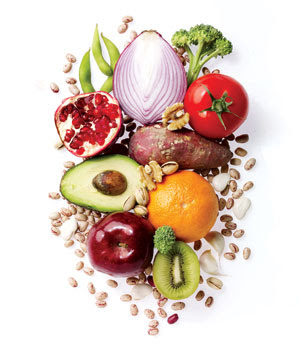
Make sure each meal is packed with colour. In a day you should be ‘eating the rainbow’ (food items in colourful packaging do not count!) to ensure you’re getting a whole variety of vitamins, minerals and phytonutrients to protect your body.
5. Take a good multi-vitamin….
Although your diet will be balanced and you will get good levels of vitamins and minerals due to eating nutritionally dense foods, intensive farming has led to a decline in the quality of foods thus very often most people are not reaching optimum levels of micronutrients. A multi-vitamin will help to bridge the gap.
6. Chew your food properly….
If you inhale your food then you tend to eat double what you should be eating. Make sure you chew your food properly, not only does it ensure you don’t eat as much, it also helps with digestion.
7. Stop thinking about calories and start thinking about how food benefits you….
Some people will have a doughnut rather than eating lunch since in terms of calories, it equates to nearly the same. However, a doughnut will in no way give you the same nutritional benefit as a balanced meal, so, start to think about food as something that keeps you well, not just as a source of energy.
8. The first bite is always the best…..
With so many delicious gastronomic delights out there these days it’s not always easy to say no to yourself. Try just having a couple of teaspoons of a dessert to satisfy your craving, this will also prevent you from piling on the pounds!
9. Have the right kinds of snacks….
We’ve all suffered from that mid-afternoon slump and opt for the sugary pick me-up, but this will make you crave more sugar by unbalancing your blood sugar levels. Make sure you’re having a snack that is not refined/sugary to keep those hunger levels at bay. Try opting for a piece of fruit, a small pot of plain, natural yoghurt or a couple of oat cakes with cottage cheese instead.
10. Alcohol….
If you’re drinking alcohol remember to have some protein before. Alcohol sends your blood sugar levels soaring and the protein helps to lessen the impact so you don’t crave those carbohydrate heavy snacks. When drinking alcohol opt for non-sugary options i.e. soda instead of coke and if you’re drinking wine, limit yourself to half a bottle (maximum), no more than 3 nights per week.
If you’re going to remember anything, remember this….. ‘If you put rubbish in, you get rubbish out….’ The science is simple! By Zoë Copsey, Lomax Bespoke Health - London.
What is ‘The Lomax Way’?
The biggest challenge to looking good and feeling great is how to balance having a fun and being good to yourself!
We have gathered some of the best specialists with over 20 years experience from all over the world to build a unique approach to reaching your goals as realistically and as fast as possible, empathizing with your lifestyle so you don’t have to sacrifice anything - we call this The Lomax Way.
The Lomax Way is unique - Like a concierge service, your Client Services Manager runs the day-to-day delivery of every service you need wherever and whenever you want it.
Think of this as a Virtual Wellness Centre with the sole focus on keeping you on top of your game even when you might be enjoying one too many cocktails! This is the same level of service as experienced by professional athletes or fashion models.
My friend Nicole introduced me to Bar Method a few weeks ago and ever since I have been hooked. I thought my first class would be a breeze considering I take Ballet twice a week, but I couldn’t have been more wrong. This class was truly a challenge in every way possible, I literally could not finish every interval of each exercise. Luckily after a few classes under my belt and getting the hang of things… I’ve noticed a much more toned body and I have Bar Method to thank for a flatter stomach! Sign Up Now, Completely worth $22.00 a Class. - Taryn Cox
The Bar Method in Brief: The Bar Method™workout creates a uniquely lean, firm, sculpted body by combining the muscle-shaping principles of isometrics, the body-elongating practice of dance conditioning, the science of physical therapy and the intense pace of interval training into a powerful exercise format that quickly and safely reshapes and elongates muscles.
This is What you would expect from a Bar Method Class: The Bar Method targets all major muscle groups by contracting or stretching them by means of controlled isolations performed to music. After a simple warm-up to get the heart rate going and the muscles warm, students work the upper body with free weights, push-ups and stretches using the ballet bar. Next come challenging exercises for the lower body, most of them performed in various standing positions while holding onto the bar. The Bar Method’s workout continues with floor exercises for the abdominals and gluteals and concludes with a relaxing series of back and leg stretches.
How to The Bar Method Helps Sculpt Muscles and Lose Weight: The Bar Method shapes and elongates every major muscle group, burns away fat around these muscles, and then stretches them. The result is a clearly visible change in body shape. Muscles look longer and more defined, the body becomes leaner and more slender, and posture becomes more erect. The Bar Method exercise class is equivalent to interval training. It alternates between exercises that demand intense bursts of energy and deep stretches. This format produces both a high caloric burn and firmer muscle mass. Most students who do the Bar Method regularly become slimmer and lighter, sometimes within months.
How The Bar Method is Different from Pilates: The Bar Method workout is more intense than Pilates and so gives students greater stamina and muscle definition. Other differences are that Pilates works the small muscle groups, while the Bar Method works the large muscles groups, thereby adding muscle density and an increased metabolic rate. Pilates uses machines and mat-work to realign the core muscles, while the Bar Method uses the body’s own weight to isolate, strengthen and reshape.
The result is a noticeable “Bar Method” sculpted body featuring:
Firm, elongated muscles
Reduced body fat
High muscle definition in the chest, upper arms and upper legs
Introducing a toothbrush that not only cleans your teeth, but minimizes your impact on the environment. The design includes a curved handle for those hard-to-reach places and a three-level bristle arrangement to massage your gums. And while the bristles are brand new, the coolest part is the handle is made from recycled yogurt cups and is BPA Free. Preserve Toothbrushes are not only made from recyclable materials, but they also have a Mail Back system. The Mail Back Pack is a revolutionary approach to packaging, the lightweight package doubles as a return envelope. Just pop your old used Preserve toothbrush inside and send it back to us for recycling free of shipping charges.
Since Dentist recommend you change toothbrushes every months. You can say goodbye to that toothbrush and shopping lists with Preserve’s subscription program. Every three months, a new Preserve Toothbrush is delivered to your door. Each subscription order contains one Preserve Toothbrush which is delivered to your door every three months for one year (four toothbrushes total with one travel case). - THE WIFE
Preserve toothbrushes are incredibly affordable $2.99 each or the subscription program for $13.00, They come in 5 different colors with bristles ranging in Ultra Soft, Soft and Medium.
Since Today is Earth Day, I’ve decided to kick things off with an easy way for you WIVES to switch to Eco Friendly and Organic or All Natural Products.
Is your Oral Hygiene Green? Photographed above is an ordinary toothpaste brand you would find in any household. Toothpaste is a controversial issue because of two ingredients that some say are harmful: Sodium Laurel Sulfate (SLS) and Fluoride. SLS is a foaming agent that is derived from coconut oil, It is used in brake fluid and anti freeze and also in a huge variety if skin care products, including toothpaste, shampoo, bubble bath and soap. It is not only a proven skin irritant but also known to be a carcinogenic. SLS is also linked to causing canker sores. Also floating around in that little tube of toothpaste is Hydrated Silica, Lead is a neurotoxin and a naturally occurring contaminant of Hydrated Silica. And chances are if your brushing with blue colored toothpaste that it has FD&C Blue, which is Coal Tar based dye.
Below is a great alternative and all natural toothpaste by Toms of Maine. Lets start with the packaging, All products are packed in environmentally sustainable post consumer recycled paper board and are printed with vegetable based inks. All plastics used by the company can be recycled (#5 polypropylene) and or packaged with biodegradable cellulose. Tom’s of Maine offers a variety of Toothpaste for everyone. Weather your looking for a fluoride free toothpaste or an SLS Free toothpaste, They’ve got what your looking for. They believe and use sustainable farming, absolutely no testing on animals and reject anything artificial. Best of all Toms of Maine is available at all Pharmacies, Target, and Whole Foods and costs the same as any other regular toothpaste. Why wouldn’t you switch! - THE WIFE
*And the easiest way to be environmentally kind is to turn off the faucet while your brushing! www.TomsofMaine.Com
You see the word more and more, but what does it say about what it’s on? Here are tips for fruits and vegetables, dairy and meat, cosmetics, processed foods and cotton and coffee. By Julie Deardorff
Some consumers are more than willing to pay higher prices for organically grown food and other products. But is the extra dollar worth it? The answer may depend upon personal priorities.
By definition, organically grown foods are produced without most conventional pesticides, fertilizers made with synthetic ingredients or sewage sludge. Livestock aren’t given antibiotics or growth hormones. And organic farmers emphasize renewable resources and conservation of soil and water.
The U.S. Department of Agriculture, which runs the National Organic Program, says organic is a “production philosophy,” adding that an organic label does not imply a product is superior. Moreover, some nutrition experts say, there’s no need to eat organic to be healthy: Simply choose less processed food and more fruits and vegetables.
To compare the nutrient density of organically and conventionally grown grapes, researchers would have to have matched pairs of fields, including using the same soil, the same irrigation system, the same level of nitrogen fertilizer and the same stage of ripeness at harvest, acknowledged Charles Benbrook, chief scientist at the Organic Center, a pro-organics research institution.
Last summer, the American Journal of Clinical Nutrition published a comprehensive review concluding that organic and conventional food had comparable nutrient levels.
The study outraged some members of the organic community, who criticized the study for not addressing pesticide residues, a major reason people choose organic. Nor did the study address the effect of farming practices on the environment and personal health.
Maria Rodale, a third-generation advocate for organic farming, urges consumers to look beyond nutrition to the chemicals going into our soil, our food and our bodies. “What we do to our environment, we are also doing to ourselves,” said Rodale, chairwoman and chief executive of Rodale Inc., which publishes health and wellness content.
Here’s a closer look at some of the factors that may influence your decision whether to buy organic products.
Fruits and vegetables
Farmers using conventional practices treat crops with pesticides that protect them from mold, insects and disease but can leave residues. Organic fruits and vegetables have less pesticide residue and lower nitrate levels than do conventional fruits and vegetables, according to a 1996 scientific summary report by the Institute of Food Technologists.
The bottom line: Pesticide residue poses little risk to most consumers, health experts say. But fetuses and children are more vulnerable to the effects of synthetic chemicals, which can be toxic to the brain and nervous system, said Dr. Philip Landrigan, director of the Children’s Environmental Health Center at the Mount Sinai School of Medicine in New York City.
The Environmental Working Group, a public health advocacy organization, recommends buying organically grown peaches, apples, bell peppers, celery, nectarines, strawberries, cherries, kale, lettuce, imported grapes and pears because conventionally grown versions are the most heavily sprayed. Onions, avocados, sweet corn and pineapples have some of the lowest levels of pesticides.
As for nutrition, one French study found that, in some cases, organic plant products have more minerals such as iron and magnesium and more antioxidant polyphenols. But although mounting evidence suggests that soil rich in organic matter produces more nutritious food, “we are never going to be able to say organic is always more nutrient dense; that’s going beyond the science,” said Benbrook of the Organic Center.
Whether you are taking to the skies for business or pleasure, be prepared as you might suffer from “jet bloat,” the body’s increased volume of gas that occurs from airline travel – Seems your intestinal gases expand the higher you rise in altitude, which can lead to some uncomfortable bloating and pain. Chewing gum or sucking on candy to reduce the pressure in our ears while the plane is ascending can cause us to swallow even more air. Same for drinking caffeinated sodas — the more fizz, the more volume, experts say. The expansion of gases at high altitudes has been a topic addressed by the aeronautics industry for years. ”Everybody has noticed this,” experts said. ”Even though they don’t serve an awful lot of food anymore on the planes, the bags of chips are inflated like a little pillow. It wasn’t a little pillow on the ground.” The same thing happens in people. Most people carry about 400 milliliters of gas in their intestinal area, about the volume of a small cantaloupe, experts say. But people experiencing gassy problems may carry as much as a liter of gas. That volume at sea level can more than double at 30,000 feet. Fortunately for your neighbors, most of the resulting flatulence is odorless because it’s due to excessive air.
If you find yourself experiencing jet bloat and becoming gassier during airline travel, follow these guidelines for eating and drinking at the airport and while in flight:
When scouring the food court, avoid anything that you’ve shown intolerance for on the ground. If milk intolerance is your downfall – avoid all dairy. Try to avoid foods that will probably make you gassy, such as fried foods, beans, bananas, cabbage, Brussels sprouts, or broccoli. If you get gassy, the volume will expand, even in the pressurized cabin as you reach flight altitudes – so there will be even more volume of gas, which can lead to discomfort from jet bloat.
If you do eat gassy food, take over-the-counter Gas-X or CharcoCaps Homeopathic AntiGas Formula immediately, so you don’t inflate like a bag of pretzels as you reach cruising altitude. The AntiGas pills will stimulate the body’s defense system against the discomfort of intestinal gas.
Drink beverages rich in electrolytes, such as tomato or fruit juices, which help with hydration. While water is also fine, avoid coffee, tea and sodas since they will dehydrate you, and the carbonation in the soda can cause gas issues. Since alcohol is also a dehydrator, hold off until you are on the ground at the hotel.
Keep away from caffeinated drinks; instead, drink beverages rich in electrolytes, such as tomato or fruit juices.
The doctor says…
“Take bathroom breaks whenever the fasten-seat-belt sign goes off to keep blood and other body fluids circulating,” says Sandra Fryhofer, MD, a clinical associate professor of medicine at the Emory University School of Medicine in Atlanta. “Avoid caffeine, alcohol, and salt — all of which cause water retention — and drink at least 8 ounces of water for every hour in flight. Once on the ground, drink a cup of hot green tea and take 500 milligrams of vitamin B complex; both are natural diuretics.”
The trainer says…
“When you can’t get up and stretch, shift position in your seat at least every half hour — cross your legs, prop your feet on your carry-on, or lean forward and interlace your fingers in front of you,” says Keli Roberts, creator of the Time-Saver DVD workout series. “When you land, walk for 15 minutes at a comfortable pace to get blood moving in your lower limbs.”
The scientist says…
“The day before a flight involving a time difference of six hours or more, eat your meals and go to sleep three hours earlier than you normally would. This will lessen jet lag and its side effects, like bloating, by helping your body get into sync faster in the new time zone,” says Hava Siegelmann, PhD, director of the biocomputation laboratory at the University of Massachusetts at Amherst. Trying to acclimate before you leave can help you get better adjusted — and feel less bloated — when you land.
Article From: FitnessMagazine.Com, Charocaps.Com, and Newsguide.Us
For years, we’ve known about the epidemic of childhood obesity in America. We’ve heard the statistics—how one third of all kids in this country are either overweight or obese. We’ve seen the effects on how our kids feel, and how they feel about themselves. And we know the risks to their health and to our economy—the billions of dollars we spend each year treating obesity-related conditions like heart disease, diabetes, and cancer.
But we also know that it wasn’t always like this. Back when many of us were growing up, we led lives that kept most of us at a pretty healthy weight. We walked to school every day, ran around at recess and gym and for hours before dinner, and ate home-cooked meals that always seemed to have a vegetable on the plate.
For many kids today, those walks to school have been replaced by car and bus rides. Afternoons playing outside have been replaced with afternoons inside with TV, videogames, and the Internet. And with many parents working longer hours, or multiple jobs, they don’t have time for family meals around the table anymore.
It’s now clear that between the pressures of today’s economy and the breakneck pace of modern life, the well-being of our kids has too often gotten lost in the shuffle.
And let’s be honest with ourselves: our kids didn’t do this to themselves. Our kids don’t decide what’s served in the school cafeteria or whether there’s time for gym class or recess. Our kids don’t choose to make food products with tons of sugar and sodium in supersize portions, and then have those products marketed to them everywhere they turn. And no matter how much they beg for fast food and candy, our kids shouldn’t be the ones calling the shots at dinnertime. We’re in charge. We make these decisions.
That’s actually the good news—that we can decide to solve this problem. That’s why we started Let’s Move, a nationwide campaign with a single goal: to solve the problem of childhood obesity in a generation, so that children born today can reach adulthood at a healthy weight.
Let’s Move is not about trying to turn back the clock to when we were kids, or cooking five-course meals from scratch every night. No one has time for that. And it’s not about saying no to everything either. There’s a place for cookies and ice cream, burgers and fries—that’s part of the fun of childhood.
Instead, Let’s Move is about families making manageable changes that fit with their schedules, their budgets, and their needs and tastes. It’s about giving parents the tools they need to keep their families healthy and fit, and getting more nutritious food—more fresh fruits, vegetables, and whole grains, and less sugar, fat, and salt—into our nation’s schools. It’s about helping grocery stores serve communities that don’t have access to fresh foods, and finding new ways to help our kids stay physically active in school and at home.
Achieving all this won’t be easy. This isn’t something we can fix with a bill in Congress or an executive order from the president. I’ve spoken with many experts about this issue, and not a single one has said that the solution to childhood obesity is to have the government tell people what to do.
Instead, it’s about what all of us can do to help our kids lead active, healthy lives: parents making healthier choices for their families; mayors and governors doing their part to build healthier cities and states; and the private sector doing its part as well—from food manufacturers offering healthier options to retailers understanding that what’s good for kids and families can be good for businesses too.
That’s why I’ve been traveling the country, speaking to groups ranging from PTAs to food manufacturers, to elected officials, to school food-service employees, asking all of them to be a part of Let’s Move. And since this campaign began, several major school suppliers have already agreed to improve the quality of their food, doubling the amount of fresh produce they serve to our children. The nation’s largest beverage companies have agreed to provide clearly visible information about calories on the front of their products, as well as on vending machines and soda fountains. The American Academy of Pediatrics has begun urging its members to screen children for obesity and to actually write out prescriptions for parents detailing how to address it. And we’ve started a Web site—LetsMove.gov—with tips on eating well and staying fit.
Changes like these are only the beginning—and we’ve got a long way to go to reach our goals. But I’m confident that if we each do our part, and all work together, we can ensure that our kids have not just the opportunities they need to succeed, but the strength and endurance to seize those opportunities: to excel in school, pursue the careers of their dreams, keep up with their own kids, and live to see their grandkids grow up—maybe even their great-grandkids too. That is the goal of Let’s Move, and that is my mission as first lady. - Newsweek
Look around anywhere in America and the reality assaults you: we are simply too big. Nowhere is the evidence for this more striking than the Centers for Disease Control and Prevention’s color-coded obesity map. Between 1990 and 2008 the country morphs from a sea of pleasant blue, representing an obese population of less than 19 percent, to an alarming patchwork of tan, orange, and maroon, where the stats range from 21 percent obese in Connecticut to 32.8 percent in Mississippi.
The epidemic is most alarming among American children: rates have tripled among kids ages 12 to 19 since 1980, with one third of America’s youth now overweight or obese and almost 10 percent of infants and toddlers dangerously heavy. Obese kids, defined by a body-mass index at or above the 95th percentile for children of the same age and sex, are at risk for developing conditions in childhood once monopolized by adults: high blood pressure, high cholesterol, and type 2 diabetes. And many are stigmatized and suffer from low self-esteem, which can lead to depression. If current trends continue, nearly one in three kids born in 2000—and one in two minorities—will develop type 2 diabetes in their lifetime, according to the American Diabetes Association. The disease is linked to heart attack, stroke, blindness, amputation, and kidney disease. Indeed, a study published last month found that obese children are more than twice as likely to die prematurely as adults than kids on the lower end of the weight spectrum. In the U.S., new government data show an overall plateau of high BMIs in kids over the last 10 years—a hopeful sign. But “even without further increases in childhood obesity, the toll of the epidemic will mount for decades to come,” says Harvard’s Dr. David Ludwig, director of the Optimal Weight for Life program at Children’s Hospital Boston.
This goes way beyond fitting into our jeans or airline seats: the estimated annual cost of obesity in the United States is $147 billion. The problem even threatens our national security—being overweight is the No. 1 reason recruits are turned away from the military. Not so long ago, a lack of personal willpower was blamed. Today, obesity is considered a public-health threat, the toll of a toxic environment that endangers the well-being of our children and their future.
It’s not just us, either. “Globesity” has consumed much of the planet, with more than 1 billion adults overweight or obese. And while we’re not the fattest—Nauru, Micronesia, and a handful of other countries beat us—we’re very close to the top of the list. Urbanization, modernization, technology, and the globalization of food markets, which includes the exportation of Coke and burgers, has created a crisis of “epidemic proportions,” in the words of the World Health Organization.
But it’s America that has become the world’s preeminent fat-making machine. To dismantle it we need a coordinated, comprehensive plan of attack, one that pairs individual responsibility with a social construct that fosters good nutrition and a healthy lifestyle. We need to be surrounded by food that makes us well, not sick. We need schools and workplaces that reward us for exercising our bodies, not just our brains. “If you want people to make the right choices, they need to have the right choices to make,” says Dr. William Dietz, director of the CDC’s Division of Nutrition, Physical Activity, and Obesity. We need forceful and well-enforced policies, a government that invests dollars in improving the diet of school kids and puts limitations on the advertising that targets them. We need Americans to perceive obesity as a personal threat to themselves and to their children, not as somebody else’s problem. We have a long way to go.
I’m lucky enough to live in a city where the weather allows me to work out outdoors everyday. Running is the first thing I do when I hop out of bed in the morning. It’s the most fresh and invigorating wake up call and great way to start the day. Below is a great article on the Benefits that running can provide. - THE WIFE
There are a number of different benefits which an individual can gain from running on a regular basis. There are some runners who run simply for the joy of running but there are others who run because they realize there are a great deal of benefits which can be gained from rigorous exercise such as running. Some of these benefits may include weight loss, improved cardiovascular health, improved bone health, improved mood and better coordination. This article will briefly describe how running can result in each of these benefits.
Those who are looking to lose a few pounds often find running to be one of the most effective forms of exercise for helping them to achieve their ideal body weight. Running is an excellent form of exercise for losing weight because it requires a great deal of energy. This energy requirement means the body burns a large number of calories while running. The number of calories burned while running is typically significantly more than would be burned during less taxing forms of exercise such as walking or doing yoga. The simplest formula for weight loss includes burning off more calories than the individual consumes. When this type of calorie deficit is created, the body begins to shed excess weight in the form of fat. In order to lose one pound of body weight, the body must create a calorie deficit of 3500 calories. This is equal to burning 500 calories per day. Most runners can easily burn off this many calories in less than one hour of exercise. The number of calories burned while running depends on a number of factors including the individual’s weight, the intensity of the workout and the efficiency of the runner.
Improved cardiovascular health is another benefit of running. Some of the benefits of running include lowering the blood pressure and helping the arteries to maintain their elasticity. While running, the arteries expand and contract approximately three times as much as they do when you are sedentary. This means you are not only working out to improve your physical appearance but also the overall function of your body. In doing this the risk of heart attack and stroke becomes diminished.
Running is also beneficial for slowing down the aging process. Those who run regularly are less likely to experience bone and muscle loss as they age at the same pace as those who do not run regularly or at all. The bones grow and become stronger by responding to physical demands. Those who lead a rather sedentary lifestyle do not put this type of demand on their bones and as a result the bones may become weaker. When this happens the individual is more likely to be susceptible to osteoporosis as they age. Conversely, those who run on a regular basis are continually taxing their muscles and their bones so the bones are stimulated to remain stronger and do not as easily weaken with age.
Running can also have many psychological benefits. Most significantly runners typically report being happier and feeling less stressed than their counterparts who do not run or exercise regularly. Running actually has the ability to alter an individuals moods because hormones called endorphins are released while running. These hormones create a sense of euphoria often referred to as a runner’s high and can result in an improvement in the runner’s mood. Running has also been reported to alleviate stress in most runners. There are a number of factors which may contribute to running lowering stress levels. One of the most obvious reasons is the act of running allows the individual to focus on the task at hand instead of being worried or stressed about work, family or other stresses in his daily life. Additionally, running can be very challenging on the body which can result in the individual feeling a sense of accomplishment by completing the run which shifts the focus of his attention from negative stresses to a sense of pride and accomplishment.
Tomorrow is New Years Eve, many of you lovely wives will be ringing in the new year with a few glasses of Champagne or other alcoholic beverage. And since some of you have kids and husbands to take care of New Years day, Here’s a sure fire way to wake up with out a hangover.
- THE WIFE
Barroom wisdom posits that clear drinks like vodka and gin induce fewer hangovers than dark ones like brandy, red wine, or certain rums and tequilas. At least one study bears this out: When researchers gave volunteers the same dose of alcohol in the form of either bourbon or vodka, only 3 percent of those who drank the vodka reported a bad hangover the next day, compared to 33 percent of the bourbon drinkers. Scientists suspect that the compounds in darker liquors are to blame.
Food slows the absorption of alcohol, preventing the sudden spike in blood alcohol that’s often followed by actions you’ll probably regret—including more drinking. If, at the end of the night, you realize you’ve had too much, downing some crackers or fruit juice will slow metabolism of the alcohol still in your stomach, advises Swift. You should wake up feeling better in the morning.
You know the best way to avoid morning punishment is to drink less, but how do you do that when every time your glass empties, someone’s refilling it? Try this: Alternate a glass of booze with a glass of seltzer. You’ll halve the amount you drink and you’ll be well hydrated, thereby warding off the hangover symptoms caused by alcohol’s diuretic effect—headache, dry mouth, and light-headedness. - Oprah.com
Hangover Prevention Checklist:
Eat a Hearty Dinner
Drink a glass of Water for every alcoholic beverage consumed
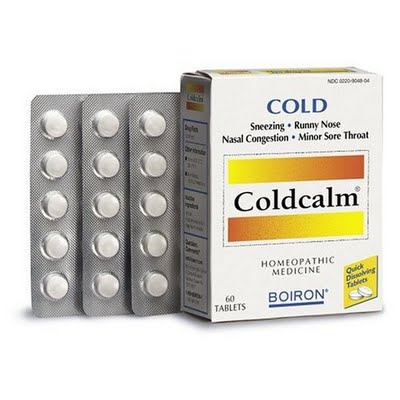
While I recently contracted an annoying head cold, I was running through Whole Foods in a frenzy trying to get ingredients for dinner while dealing with uncontrollable sneezes. Since I didn’t have time to stop at Rite Aid for the usual Sudafed, I wandered over to the vitamin aisle. And lucky for me I did, because I discovered this amazing cold medicine that is entirely homeopathic and actually works! All you do is chew 2 each hour and they taste like little cubes of delightful sugar… Bonus! Hahaha! The only downside is one package will run you about $11.00 dollars.. But I found it well worth the price not to ingest tons of unknown chemicals into my body compared to other cold medicines.
How healthy (or not) certain foods are—for us, for the environment—is a hotly debated topic among experts and consumers alike, and there are no easy answers. But when Prevention talked to the people at the forefront of food safety and asked them one simple question—“What foods do you avoid?”—we got some pretty interesting answers. Although these foods don’t necessarily make up a “banned” list, as you head into the holidays—and all the grocery shopping that comes with it—their answers are, well, food for thought:
1. Canned Tomatoes
The expert: Fredrick vom Saal, PhD, an endocrinologist at the University of Missouri who studies bisphenol-A
The problem: The resin linings of tin cans contain bisphenol-A, a synthetic estrogen that has been linked to ailments ranging from reproductive problems to heart disease, diabetes, and obesity. Unfortunately, acidity (a prominent characteristic of tomatoes) causes BPA to leach into your food. Studies show that the BPA in most people’s body exceeds the amount that suppresses sperm production or causes chromosomal damage to the eggs of animals. “You can get 50 mcg of BPA per liter out of a tomato can, and that’s a level that is going to impact people, particularly the young,” says vom Saal. “I won’t go near canned tomatoes.”
The solution: Choose tomatoes in glass bottles (which do not need resin linings), such as the brands Bionaturae and Coluccio. You can also get several types in Tetra Pak boxes, like Trader Joe’s and Pomi.
2. Corn-Fed Beef
The expert: Joel Salatin, co-owner of Polyface Farms and author of half a dozen books on sustainable farming
The problem: Cattle evolved to eat grass, not grains. But farmers today feed their animals corn and soybeans, which fatten up the animals faster for slaughter. More money for cattle farmers (and lower prices at the grocery store) means a lot less nutrition for us. A recent comprehensive study conducted by the USDA and researchers from Clemson University found that compared with corn-fed beef, grass-fed beef is higher in beta-carotene, vitamin E, omega-3s, conjugated linoleic acid (CLA), calcium, magnesium, and potassium; lower in inflammatory omega-6s; and lower in saturated fats that have been linked to heart disease. “We need to respect the fact that cows are herbivores, and that does not mean feeding them corn and chicken manure,” says Salatin.
The solution: Buy grass-fed beef, which can be found at specialty grocers, farmers’ markets, and nationally at Whole Foods. It’s usually labeled because it demands a premium, but if you don’t see it, ask your butcher.
3. Microwave Popcorn
The expert: Olga Naidenko, PhD, a senior scientist for the Environmental Working Group,
The problem: Chemicals, including perfluorooctanoic acid (PFOA), in the lining of the bag, are part of a class of compounds that may be linked to infertility in humans, according to a recent study from UCLA. In animal testing, the chemicals cause liver, testicular, and pancreatic cancer. Studies show that microwaving causes the chemicals to vaporize—and migrate into your popcorn. “They stay in your body for years and accumulate there,” says Naidenko, which is why researchers worry that levels in humans could approach the amounts causing cancers in laboratory animals. DuPont and other manufacturers have promised to phase out PFOA by 2015 under a voluntary EPA plan, but millions of bags of popcorn will be sold between now and then.
The solution: Pop natural kernels the old-fashioned way: in a skillet. For flavorings, you can add real butter or dried seasonings, such as dillweed, vegetable flakes, or soup mix.
4. Nonorganic Potatoes
The expert: Jeffrey Moyer, chair of the National Organic Standards Board
The problem: Root vegetables absorb herbicides, pesticides, and fungicides that wind up in soil. In the case of potatoes—the nation’s most popular vegetable—they’re treated with fungicides during the growing season, then sprayed with herbicides to kill off the fibrous vines before harvesting. After they’re dug up, the potatoes are treated yet again to prevent them from sprouting. “Try this experiment: Buy a conventional potato in a store, and try to get it to sprout. It won’t,” says Moyer, who is also farm director of the Rodale Institute (also owned by Rodale Inc., the publisher of Prevention). “I’ve talked with potato growers who say point-blank they would never eat the potatoes they sell. They have separate plots where they grow potatoes for themselves without all the chemicals.”
The solution: Buy organic potatoes. Washing isn’t good enough if you’re trying to remove chemicals that have been absorbed into the flesh.
5. Farmed Salmon
The expert: David Carpenter, MD, director of the Institute for Health and the Environment at the University at Albany and publisher of a major study in the journal Science on contamination in fish.
The problem: Nature didn’t intend for salmon to be crammed into pens and fed soy, poultry litter, and hydrolyzed chicken feathers. As a result, farmed salmon is lower in vitamin D and higher in contaminants, including carcinogens, PCBs, brominated flame retardants, and pesticides such as dioxin and DDT. According to Carpenter, the most contaminated fish come from Northern Europe, which can be found on American menus. “You can only safely eat one of these salmon dinners every 5 months without increasing your risk of cancer,” says Carpenter, whose 2004 fish contamination study got broad media attention. “It’s that bad.” Preliminary science has also linked DDT to diabetes and obesity, but some nutritionists believe the benefits of omega-3s outweigh the risks. There is also concern about the high level of antibiotics and pesticides used to treat these fish. When you eat farmed salmon, you get dosed with the same drugs and chemicals.
The solution: Switch to wild-caught Alaska salmon. If the package says fresh Atlantic, it’s farmed. There are no commercial fisheries left for wild Atlantic salmon.
6. Milk Produced with Artificial Hormones
The expert: Rick North, project director of the Campaign for Safe Food at the Oregon Physicians for Social Responsibility and former CEO of the Oregon division of the American Cancer Society
The problem: Milk producers treat their dairy cattle with recombinant bovine growth hormone (rBGH or rBST, as it is also known) to boost milk production. But rBGH also increases udder infections and even pus in the milk. It also leads to higher levels of a hormone called insulin-like growth factor in milk. In people, high levels of IGF-1 may contribute to breast, prostate, and colon cancers. “When the government approved rBGH, it was thought that IGF-1 from milk would be broken down in the human digestive tract,” says North. As it turns out, the casein in milk protects most of it, according to several independent studies. “There’s not 100% proof that this is increasing cancer in humans,” admits North. “However, it’s banned in most industrialized countries.”
The solution: Check labels for rBGH-free, rBST-free, produced without artificial hormones, or organic milk. These phrases indicate rBGH-free products.
7. Conventional Apples
The expert: Mark Kastel, former executive for agribusiness and codirector of the Cornucopia Institute, a farm-policy research group that supports organic foods
The problem: If fall fruits held a “most doused in pesticides contest,” apples would win. Why? They are individually grafted (descended from a single tree) so that each variety maintains its distinctive flavor. As such, apples don’t develop resistance to pests and are sprayed frequently. The industry maintains that these residues are not harmful. But Kastel counters that it’s just common sense to minimize exposure by avoiding the most doused produce, like apples. “Farm workers have higher rates of many cancers,” he says. And increasing numbers of studies are starting to link a higher body burden of pesticides (from all sources) with Parkinson’s disease.
The solution: Buy organic apples. If you can’t afford organic, be sure to wash and peel them first. - Prevention
Millions of women (and a few men) visit nail salons regularly to have their nails done. Unfortunately, occasionally the result of having manicures or pedicures is developing nail fungus or bacterial infections that can not only look bad, but also may also feel even worse. A few simple steps before your next salon service can significantly lower your risk of developing a painful nail infection or fungus, or worse, a more serious disease.
Check out the salon for cleanliness and safety precautions. Don’t be afraid to ask for a quick tour if you are considering a new salon, or asking the owner or manager of your current salon what steps they take to ensure safety. And take a look around. Does the salon look clean and sanitary? Is the trash container properly bagged and covered? Is the floor clean? Are the manicure tables kept neat and tidy? Is there good light? Look at the disinfectant containers and make sure that they are clear, clean, and free of debris.
Next, check the station where your service will take place. Ask if all instruments are cleaned and disinfected (even better: autoclaved) after each use, and if you need proof, have the technician show you the cleaning area or solution. Does he or she use fresh, clean instruments on each client? Make sure all files, buffers, and anything else that touches you is freshly clean before you allow the technician to begin. Also, the technician should wash his or her hands before and after each client, or wear fresh gloves. Clean towels should be used for every client.
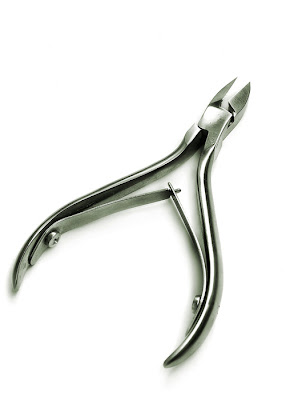
Avoid having your cuticles cut. Cuticles serve a purpose — they protect the nail bed from allowing infection to enter. If you like how your nails look with them pushed back, ask for cuticle softener, rather than cuticle scissors. After the cuticles are softened, the technician can wipe away, or gently scrape away, the excess with a fresh orangewood stick.
Pedicures can be a bit riskier because of the hot water and tub. Make sure the tub is thoroughly drained, cleaned, and disinfected between clients. The steps where clients typically step with bare feet also should be cleaned and disinfected between clients.
One way to avoid many of these concerns is to buy your own manicure or pedicure kit and bring it with you. Make sure you clean and disinfect your kit after each use, even if you are the only one using it. You also can bring your own nail polish, base coat, and top coat. Remove your old nail polish at home, or bring nail polish remover with you.
The salon and technician should both be licensed by their state governing board, usually the board of cosmetology. The licenses should be clearly displayed.
If sanitary precautions are not being taken at your salon, politely but firmly tell the owner what needs to change and what you expect. Contact your state cosmetology board if you develop a nail infection, fungus, or other condition as a result of visiting a salon, or if you see unsanitary practices. - Lisa Palladino
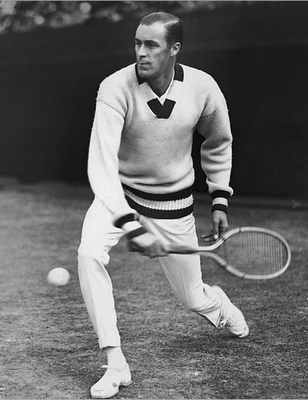
Recreational tennis constitutes moderate aerobic exercise, and research shows that 3 hours of this type of exercise weekly can cut heart disease risk by half, according to Cleveland Clinic physiologist Gordon Blackburn (see Resources).
Calorie Burning
Blackburn notes that playing tennis burns more calories than other popular recreational activity such as bowling and golfing.
Interval Training
Tennis involves quick bursts of activity with intermittent resting, called interval training. Interval training is beneficial for the heart and enhances muscle performance.
Additional Physical Benefits
Tennis works many muscle groups at the same time and improves balance, dexterity, mobility and agility.
Mental Health Benefits
Tennis is beneficial for the mind. The sport is challenging, and the player must learn to plan rapidly and act while thinking tactically.
Expert Insight
A study published in a 2007 issue of the “British Journal of Sports Medicine” found that recreational tennis players gained significant health benefits, including aerobic fitness, lower body fat, lower cholesterol, reduced risk of heart disease and better bone health (see Resources). - eHow
Here is the Music Player. You need to installl flash player to show this cool thing!
THE WIFE
"THE WIFE" is for the timeless wife or elegant wife to be. Whether THE WIFE favors a career working in the corporate world or has dedicated her time and efforts as a housewife, She always maintains a happy and healthy family. THE WIFE is an astounding women and amazing mother, who proudly makes time for her husband and children. THE WIFE loves to cook, has a passion for party planning, a fondness for etiquette, adores decorating and keeping a beautiful home and of course dressing the part. THE WIFE cares about being "green" and takes the time to make her home environmentally friendly. Finally THE WIFE dedicates her spare time to charitable causes and giving back to her community. Women who might inspire THE WIFE would be: Jacqueline Kennedy, Michelle Obama, Grace Kelly, Gwyneth Paltrow, Jenna lyons and Carolina Herrera.
Grammar Warning: I am clearly aware that my grammar is sub par. Please excuse any typos or misspelt words you may come across when reading this blog. There is not need to write or notify me. Thank You Kindly.